Mastering Your Credit Score in 2026: 5 Actionable Steps to Reach 800+
Anúncios

Mastering Your Credit Score has changed drastically as underwriting bureaus roll out predictive trended data tracking and new scoring algorithms.
If you want to unlock prime interest rates, you have to look beyond simple snapshot metrics to truly optimize your financial profile.
Modern lending evaluation models now look closely at your historical payment trajectories and expanding parameters like rent tracking.
Relying on basic payment reminders is no longer enough to reach the absolute peak of consumer borrowing power. To maximize your borrowing potential, you need to understand exactly how revolving debt levels and credit histories interact.
This straightforward playbook eliminates the guesswork and outlines five concrete habits to elevate your rating to elite status.
Anúncios
Understanding the Foundation of Your Credit Score
Your credit score is a numerical representation of your creditworthiness, a vital metric lenders use to assess risk. It directly impacts your ability to secure loans, mortgages, and even apartment rentals, making its optimization paramount.
FICO and VantageScore are the two primary scoring models, each utilizing slightly different algorithms but generally focusing on similar data points. Knowing which model your lender uses can sometimes fine-tune your strategy, though consistent good habits benefit all.
The journey to Mastering Your Credit Score begins with a thorough understanding of these underlying mechanisms. Without this foundational knowledge, efforts to improve can be misdirected or less effective.
The Five Key Credit Score Factors
Payment history stands as the most significant factor, accounting for approximately 35% of your FICO score. Late payments, even by a few days, can severely depress your score, while consistent on-time payments build a strong positive record.
Credit utilization, or the amount of credit you use compared to your total available credit, is another critical component, typically making up 30%. Keeping this ratio below 30% is generally recommended, with lower being better for optimal scores.
Length of credit history, new credit applications, and credit mix also play substantial roles.
A longer history demonstrates reliability, while too many new accounts can signal risk, and a diverse mix of credit types (e.g., installment loans, revolving credit) shows responsible management across various financial products.
Anúncios
Step 1: Prioritize On-Time Payments
Consistently paying your bills on time is the single most impactful action you can take to improve your credit score. This fundamental principle forms the bedrock of a healthy credit profile, influencing a significant portion of your score.
Late payments, even a single instance, can remain on your credit report for up to seven years and significantly lower your score. Setting up automatic payments or calendar reminders can help ensure you never miss a due date.
For those aiming for Mastering Your Credit Score, this step is non-negotiable. Lenders view a flawless payment history as the strongest indicator of future financial responsibility.
Automate Your Payments
Many banks and credit card companies offer automatic payment options directly from your checking account. This eliminates the risk of human error and ensures that at least the minimum payment is always made on time.
Consider setting up payment reminders through your banking app or a third-party financial management tool. These alerts provide an extra layer of security, notifying you a few days before a bill is due, giving you time to prepare.
Even if you prefer manual payments, consistent vigilance is key. Regularly reviewing your statements and payment schedules prevents oversights that could negatively impact your credit standing.
Step 2: Optimize Your Credit Utilization Ratio
Your credit utilization ratio is the amount of revolving credit you are currently using divided by the total amount of revolving credit you have available. This ratio is a powerful determinant of your credit score, often second only to payment history.
Maintaining a low credit utilization ratio demonstrates that you are not overly reliant on borrowed money, signaling financial prudence to lenders. Experts generally advise keeping this ratio below 30%, but for an 800+ score, aiming for under 10% is ideal.
Strategic management of this ratio is crucial for Mastering Your Credit Score and achieving top-tier financial health. It’s not just about what you owe, but how much of your available credit you are using.
Strategies for Lowering Utilization
- Pay down balances multiple times a month, especially before your statement closing date. This ensures a lower reported balance to the credit bureaus.
- Request credit limit increases on existing accounts, but only if you trust yourself not to increase your spending accordingly. A higher limit with the same spending lowers your utilization.
- Avoid closing old credit card accounts, even if they have a zero balance. Closing accounts reduces your total available credit, which can inadvertently raise your utilization ratio.
Consistently monitoring your credit utilization and actively working to keep it low will yield significant positive results for your credit score. This proactive approach is a hallmark of strong financial management.
Step 3: Cultivate a Long Credit History
The length of your credit history reflects how long you’ve been managing credit accounts, playing a crucial role in your overall credit score. Lenders prefer to see a long history of responsible borrowing and repayment.
Older accounts, especially those with a perfect payment record, contribute positively to this factor. This is why it’s often advised to keep your oldest credit accounts open, even if you don’t use them frequently.
For individuals focused on Mastering Your Credit Score, understanding the value of a prolonged credit history is essential. It demonstrates a sustained pattern of financial reliability.
The Impact of Account Age
The average age of your credit accounts is calculated by taking the sum of the ages of all your accounts and dividing by the number of accounts. A higher average age is generally more favorable for your score.
Opening too many new accounts in a short period can lower your average account age, which might temporarily ding your score. Therefore, strategic timing for new credit applications is important.
If you have older accounts you no longer use, consider making small, infrequent purchases and paying them off immediately to keep them active. This helps preserve your valuable credit history.
Step 4: Diversify Your Credit Mix
Having a healthy mix of credit accounts demonstrates your ability to manage different types of debt responsibly. This factor, while less impactful than payment history or utilization, still contributes to a robust credit profile.
A diverse credit mix typically includes both revolving credit, such as credit cards, and installment loans, like mortgages or auto loans. This variety signals to lenders that you are capable of handling various financial commitments.
For those diligently working on Mastering Your Credit Score, strategically adding different credit types can be a beneficial, albeit slower, part of the process.
Understanding Different Credit Types
- Revolving Credit: This includes credit cards and lines of credit, where you can borrow up to a certain limit, pay it back, and borrow again.
- Installment Loans: These are loans with fixed payments over a set period, such as student loans, car loans, or home mortgages.
- Secured vs. Unsecured: Secured credit is backed by an asset (e.g., a car for an auto loan), while unsecured credit is not (e.g., credit cards). Both contribute to your credit mix.
It’s important not to open new accounts simply to diversify your mix if you don’t genuinely need them. Unnecessary credit can lead to temptation and potential debt, outweighing the benefits to your score.
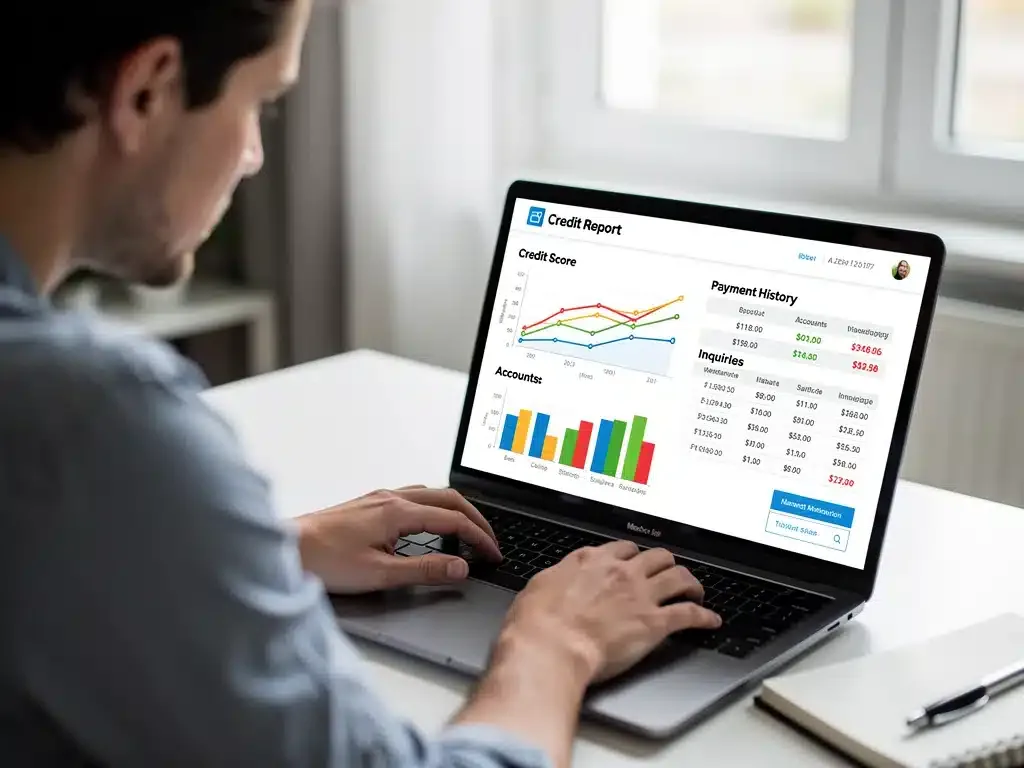
Step 5: Regularly Monitor Your Credit Report
Diligent monitoring of your credit report is not just a good practice; it’s an essential step in safeguarding and improving your credit score. Errors can occur, and identifying them quickly can prevent significant setbacks to your financial goals.
Federal law entitles you to a free copy of your credit report from each of the three major credit bureaus (Experian, Equifax, and TransUnion) once every 12 months. Utilize AnnualCreditReport.com for this purpose.
Regular checks allow you to spot inaccuracies, fraudulent activity, or potential identity theft, all critical for Mastering Your Credit Score and maintaining financial security.
What to Look For When Monitoring
Scrutinize personal information for correctness, ensuring names, addresses, and employment details are accurate. Verify all listed accounts are yours and that their payment statuses are reported correctly.
Look for any unfamiliar accounts or inquiries, which could indicate identity theft. Dispute any inaccuracies immediately with the credit bureau and the creditor involved, providing documentation if necessary.
Monitoring also helps you track your progress on the other four steps. Seeing your efforts reflected in your report can be a powerful motivator for continued responsible credit management.
The Role of New Credit and Hard Inquiries
Applying for new credit can have a temporary, albeit usually minor, negative impact on your credit score. Each application typically results in a ‘hard inquiry,’ which is a request by a lender to view your credit report.
While a single hard inquiry might only shave a few points off your score, multiple inquiries in a short period can signal to lenders that you are a higher risk. This is particularly relevant when aiming for Mastering Your Credit Score and maintaining an excellent profile.
Therefore, it’s advisable to apply for new credit only when absolutely necessary and to space out your applications to minimize the cumulative impact on your score.
Strategic Application for New Credit
Before applying for any new credit, research the likelihood of approval. Pre-qualification tools offered by many lenders can help you gauge your eligibility without triggering a hard inquiry.
If you are rate shopping for a mortgage or auto loan, multiple inquiries within a specific timeframe (typically 14-45 days, depending on the scoring model) are often treated as a single inquiry. This allows you to compare rates without penalizing your score excessively.
Avoid opening new accounts simply to get a discount or a sign-up bonus, especially if you are actively trying to improve your credit score. The temporary dip might not be worth the short-term gain.
Leveraging Secured Credit and Credit Builder Loans
For individuals with limited or poor credit history, secured credit cards and credit builder loans offer excellent pathways to establish or rebuild credit. These tools are specifically designed to help consumers demonstrate responsible financial behavior.
A secured credit card requires a cash deposit that often acts as your credit limit, mitigating risk for the issuer. Regular, on-time payments are reported to credit bureaus, positively impacting your score.
Credit builder loans work similarly, where you make payments into a savings account that is then released to you after the loan term. Both are effective strategies for Mastering Your Credit Score from the ground up.
How These Tools Work
- Secured Credit Cards: Deposit funds, receive a credit limit up to that amount, use the card responsibly, and make on-time payments. Your deposit is typically returned when you close the account in good standing or graduate to an unsecured card.
- Credit Builder Loans: A small loan is deposited into a locked savings account. You make installment payments, which are reported to credit bureaus. Once paid off, you receive the funds, having built credit history in the process.
These options provide a structured environment to prove creditworthiness without significant risk to the lender. They are stepping stones towards accessing traditional, unsecured credit products.
Long-Term Benefits of an 800+ Credit Score
Achieving an 800+ credit score unlocks a myriad of financial benefits, extending far beyond simply securing loans. It positions you as a highly reliable borrower, granting access to the most favorable financial products and terms available.
Lower interest rates on mortgages, auto loans, and personal loans can save you tens of thousands of dollars over the life of the debt. This translates into significant long-term savings and increased purchasing power.
Beyond lending, an excellent credit score can influence insurance premiums, rental applications, and even employment opportunities. It’s a testament to financial discipline, critical for Mastering Your Credit Score.
Financial Advantages and Opportunities
With an 800+ score, you gain access to premium credit cards with superior rewards programs, higher credit limits, and exclusive perks. These cards can further enhance your financial flexibility and lifestyle.
The approval process for new credit becomes smoother and faster, often requiring less documentation. This minimizes stress and provides greater certainty when making large financial commitments.
An exceptional credit score also provides a buffer against unforeseen financial challenges. A slight dip due to a minor issue is less damaging when starting from such a strong position.
| Key Action | Benefit for Score |
|---|---|
| On-Time Payments | Builds strong payment history, highest impact factor. |
| Low Credit Utilization | Signals low risk, second highest impact factor. |
| Long Credit History | Demonstrates sustained reliability over time. |
| Diversified Credit Mix | Shows ability to manage various credit types responsibly. |
Frequently Asked Questions About Credit Score Improvement
What is the most important factor in my credit score?▼Payment history is consistently the most crucial factor, accounting for approximately 35% of your FICO score. Making all payments on time is paramount for achieving and maintaining a high credit score, directly impacting your financial credibility with lenders.
How long does it take to reach an 800+ credit score?▼Reaching an 800+ credit score typically takes consistent, responsible credit management over several years. While specific timelines vary by individual, diligently following the five actionable steps outlined can significantly accelerate your progress towards this elite financial goal.
Should I close old credit card accounts?▼Generally, it is advisable to keep old credit card accounts open, especially if they have a good payment history. Closing them can reduce your total available credit and shorten your average credit history, potentially lowering your credit score and making it harder to reach an 800+ score.
How often should I check my credit report?▼You are entitled to a free credit report from each of the three major bureaus annually. Regularly checking them at least once a year, or more frequently if you are actively working on improving your score or suspect errors, is a crucial practice for maintaining accuracy.
Can an 800+ credit score save me money?▼Absolutely. An 800+ credit score can save you significant amounts of money through lower interest rates on loans, mortgages, and even insurance premiums. It grants access to the best financial products and terms, translating into substantial long-term savings and enhanced financial flexibility.
What This Means
The roadmap to Mastering Your Credit Score in 2026provides a clear, data-driven approach to financial excellence.
By prioritizing on-time payments, optimizing utilization, nurturing a long credit history, diversifying credit, and vigilantly monitoring reports, individuals can unlock significant financial advantages.
These strategies are not merely theoretical but represent concrete actions that, when consistently applied, lead to superior credit health and broader economic opportunities.