White House Finalizes $8.5 Billion National Grid Modernization Initiative to Cut Outages
Anúncios
Upgrading America's aging power infrastructure is taking a massive leap forward to protect homes and businesses from costly blackouts.
The federal government’s newly finalized Grid Modernization Initiative commits $8.5 billion toward reinforcing energy networks and dramatically reducing widespread service disruptions.
Deploying smart grid technology and high-capacity transmission lines helps fortify power distribution systems against severe weather events and surge demands.
These federal infrastructure investments improve energy reliability, lower long-term utility costs, and accelerate the integration of renewable energy sources.
Strengthening electrical supply networks ensures communities remain connected during extreme weather and peak consumption periods. Here is how this multi-billion-dollar power grid upgrade works and what it means for your local power reliability.
Anúncios
White House Unveils Comprehensive Grid Modernization Plan
The Biden administration has formally announced the culmination of extensive planning and negotiations, solidifying an $8.5 billion federal investment into modernizing the national power grid.
This comprehensive plan is set to transform how electricity is transmitted and distributed across the country.
The initiative addresses critical vulnerabilities within the existing infrastructure, aiming to implement advanced technologies and smarter systems.
Officials emphasize that this move is not merely an upgrade but a fundamental re-imagining of the nation's energy backbone.
This funding is poised to support a wide array of projects, from integrating renewable energy sources more effectively to deploying cutting-edge digital controls.
The ultimate objective is to create a more resilient, efficient, and secure power network capable of meeting future energy demands.
The finalized plan details specific allocations for various states and regions, ensuring a broad impact.
Anúncios
According to statements from the Department of Energy, projects will focus on strengthening transmission lines, enhancing cybersecurity measures, and promoting smart grid technologies.
This strategic investment is expected to significantly reduce the economic and social costs associated with power disruptions. The Grid Modernization Initiative is projected to prevent billions of dollars in losses from business interruptions and property damage.
Key Investment Areas and Technological Upgrades
A significant portion of the $8.5 billion will be directed towards developing and deploying advanced grid technologies. These include smart meters, automated fault detection systems, and energy storage solutions, all crucial for enhancing grid performance.
The initiative also emphasizes the integration of renewable energy sources, such as solar and wind power, into the existing grid infrastructure.
This integration is vital for reducing carbon emissions and achieving national climate goals, while simultaneously diversifying the energy supply.
Deployment of advanced smart grid technologies.
Integration of renewable energy sources for cleaner power.
Enhancement of grid cybersecurity defenses.
Investment in energy storage solutions for reliability.
These technological upgrades are not isolated efforts but are designed to work synergistically, creating a more cohesive and responsive energy system. The goal is to move from a reactive approach to outages to a proactive one, minimizing their occurrence and impact.
Addressing the Root Causes of Power Outages
For decades, the U.S. power grid has faced challenges stemming from its aging infrastructure, which often dates back to the mid-20th century. This outdated system is particularly vulnerable to extreme weather events, which are becoming more frequent and intense.
The White House Finalizes $8.5 Billion National Grid Modernization Initiative directly targets these foundational issues. By replacing old equipment and upgrading transmission lines, the initiative aims to build a grid that can withstand modern challenges.
Furthermore, the plan seeks to improve the grid's ability to recover quickly from disruptions.
This involves implementing self-healing technologies that can automatically re-route power and isolate affected areas, significantly reducing restoration times.
The initiative also places a strong emphasis on preventative maintenance and real-time monitoring. These measures will allow utility companies to identify potential problems before they escalate into widespread outages, ensuring a more stable power supply.
Cybersecurity is another critical component of the plan, recognizing the growing threat of digital attacks on essential infrastructure.
Investments in robust cybersecurity protocols will protect the grid from malicious actors, safeguarding national security and energy reliability.
Enhancing Grid Resilience Against Extreme Weather
Extreme weather events, from hurricanes and blizzards to wildfires and heatwaves, have exposed the fragility of the current grid. The new initiative includes substantial funding for hardening infrastructure against these natural disasters.
Projects will involve burying power lines in vulnerable areas, strengthening utility poles, and implementing vegetation management programs to prevent trees from falling on lines. These physical upgrades are essential for improving the grid's ability to withstand severe conditions.
Burying power lines in high-risk zones.
Strengthening utility poles and infrastructure.
Implementing advanced vegetation management.
Developing localized microgrids for isolated resilience.
The focus on resilience extends to developing localized microgrids, which can operate independently during larger grid failures. These microgrids provide essential power to critical facilities, such as hospitals and emergency services, even when the main grid is down.
Economic Impact and Job Creation
The infusion of $8.5 billion into grid modernization is expected to generate significant economic benefits across the country. This investment will create thousands of jobs in manufacturing, construction, engineering, and technology sectors.
Local communities will see direct economic boosts as projects are implemented, stimulating local economies and fostering innovation. The demand for skilled labor will increase, supporting workforce development and training programs.

Beyond immediate job creation, a modernized grid will lead to long-term economic stability by reducing business interruptions caused by power outages. Reliable electricity is fundamental for industries, ensuring continuous operations and productivity.
The enhanced efficiency of a smart grid will also translate into cost savings for consumers and businesses. Reduced energy waste and optimized distribution will contribute to lower electricity bills, freeing up capital for other investments.
Long-Term Benefits for Businesses and Consumers
For businesses, a more reliable power supply means less downtime and increased operational efficiency. Industries that rely heavily on continuous power, such as manufacturing and data centers, will particularly benefit from fewer disruptions.
Consumers will experience fewer and shorter power outages, improving their quality of life and reducing inconvenience. The ability to seamlessly integrate rooftop solar and electric vehicle charging will also empower consumers with more energy choices.
Reduced business downtime and increased productivity.
Lower electricity bills through enhanced efficiency.
Greater energy choice and integration for consumers.
Improved public safety and essential service reliability.
Furthermore, the modernization efforts will support the growth of the green energy sector, positioning the U.S. as a leader in sustainable energy solutions. This strategic shift will attract further investment and innovation in renewable technologies.
Stakeholder Collaboration and Implementation Challenges
Implementing a project of this magnitude requires extensive collaboration among federal agencies, state and local governments, utility companies, and private sector partners. The White House has emphasized a coordinated approach to ensure successful execution.
Utility companies will play a crucial role in the on-the-ground implementation, leveraging their expertise in grid operations and maintenance. Partnerships with technology firms will drive the adoption of innovative solutions and best practices.
However, the initiative is not without its challenges. Navigating regulatory frameworks, securing necessary permits, and managing complex supply chains will require careful planning and execution. Public engagement and community buy-in are also essential for smooth project development.
The White House Finalizes $8.5 Billion National Grid Modernization Initiative to Cut Outages will need continuous oversight to ensure funds are allocated effectively and projects stay on schedule. Transparency and accountability will be paramount throughout the implementation process.
Overcoming Hurdles in Large-Scale Infrastructure Projects
Large-scale infrastructure projects often face delays due to unforeseen technical issues, environmental concerns, or public opposition. Proactive communication and adaptive planning will be critical to mitigating these risks.
The administration plans to establish dedicated task forces to address potential bottlenecks and streamline the approval process. Engaging with local communities early in the planning stages can help address concerns and build consensus.
Streamlining regulatory and permitting processes.
Ensuring robust public engagement and community support.
Managing supply chain complexities effectively.
Addressing potential environmental impacts responsibly.
Moreover, workforce development programs will be essential to ensure a skilled labor force is available to meet the demands of these projects. Investing in training and education will create a pipeline of qualified workers for the future of the energy sector.
Future Implications for Energy Policy and Security
The White House Finalizes $8.5 Billion National Grid Modernization Initiative represents a significant step towards a more resilient and sustainable energy future for the United States. This investment sets a precedent for future federal involvement in critical infrastructure development.
The initiative will also influence future energy policy, pushing for greater integration of renewable energy and advanced technologies. It signals a strong commitment to combating climate change while enhancing national energy security.
By reducing reliance on a centralized, vulnerable grid, the modernization efforts will bolster the nation's ability to withstand various threats, from natural disasters to cyberattacks. This distributed and intelligent grid will be a cornerstone of national security.
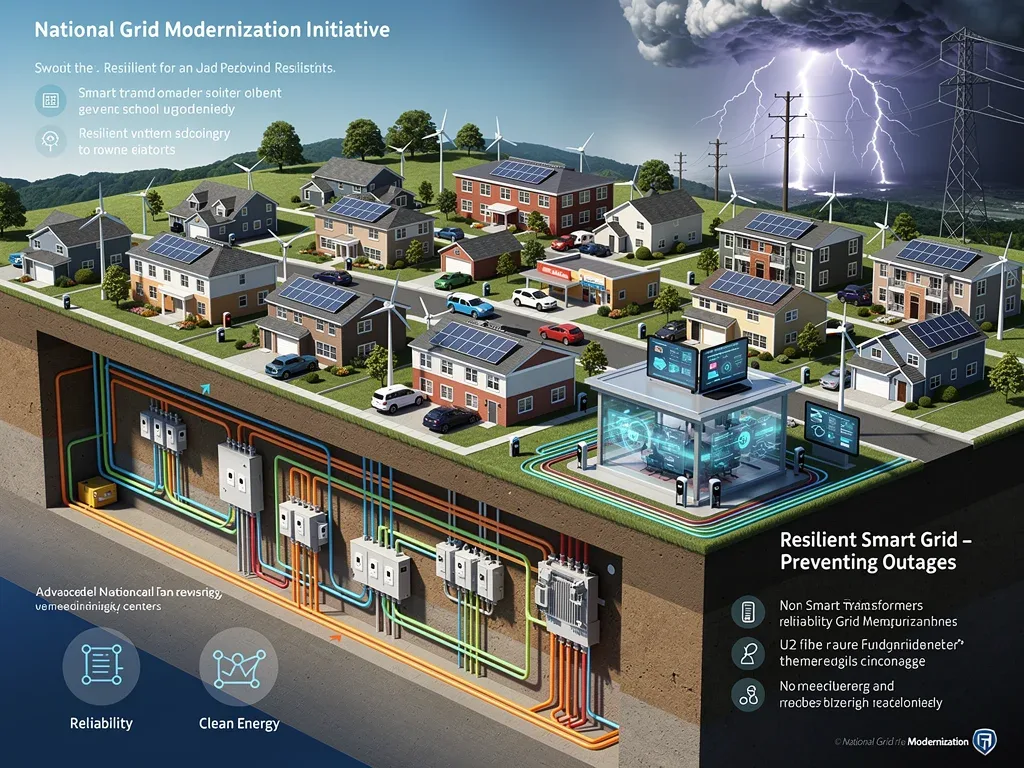
The long-term vision is a self-healing, highly efficient, and environmentally friendly power grid that supports economic growth and improves the quality of life for all Americans. This ambitious undertaking is a testament to the administration's commitment to modernizing essential services.
Paving the Way for a Sustainable Energy Landscape
The initiative's emphasis on renewables and smart technologies aligns with broader global efforts to transition to a low-carbon economy. The U.S. aims to lead by example, demonstrating how a large-scale grid can be both robust and sustainable.
This modernization will accelerate the adoption of electric vehicles and other electrified technologies, further reducing greenhouse gas emissions. The grid will be equipped to handle the increased demand from these new energy consumers.
Accelerating the transition to renewable energy sources.
Supporting the widespread adoption of electric vehicles.
Enhancing national energy independence and security.
Establishing a model for future infrastructure investments.
Ultimately, the White House Finalizes $8.5 Billion National Grid Modernization Initiative is not just about preventing blackouts; it is about building a foundation for a prosperous, secure, and sustainable future. This initiative will have lasting impacts on how Americans power their lives and businesses.
Key Aspect | Description |
|---|---|
Investment Amount | $8.5 billion allocated for national grid modernization. |
Primary Goal | Significantly reduce power outages and enhance grid reliability. |
Key Technologies | Smart meters, cybersecurity, renewable energy integration, energy storage. |
Expected Impact | Job creation, economic stability, enhanced national security, environmental benefits. |
Frequently Asked Questions About Grid Modernization
What is the primary objective of the $8.5 billion initiative?▼
The main goal of the initiative is to significantly reduce the frequency and duration of power outages across the United States. It aims to modernize aging infrastructure, making the national grid more resilient to extreme weather and cyber threats, ensuring a stable energy supply for all.
How will this funding impact energy reliability for consumers?▼
Consumers can expect fewer and shorter power outages due to enhanced infrastructure and smart grid technologies. The upgrades will improve the grid's ability to self-heal and recover quickly from disruptions, leading to more consistent and reliable electricity service in their homes and businesses.
What types of technologies will be implemented?▼
The initiative will deploy advanced technologies such as smart meters, automated fault detection systems, and energy storage solutions. It also focuses on integrating renewable energy sources and bolstering cybersecurity defenses, creating a more responsive and secure energy network.
Will the initiative create jobs?▼
Yes, the $8.5 billion investment is expected to generate thousands of jobs across various sectors, including manufacturing, construction, engineering, and technology. This will stimulate local economies and support workforce development programs, fostering growth in the energy sector.
What are the long-term benefits of this modernization?▼
Long-term benefits include enhanced national energy security, greater integration of sustainable energy sources, and reduced carbon emissions. The modernized grid will support economic stability by minimizing business disruptions and paving the way for a greener, more resilient energy future for the nation.
Impact and Implications
The White House's finalization of the $8.5 billion White House Finalizes $8.5 Billion National Grid Modernization Initiative signifies a critical investment in the nation's future.
This move will not only address immediate concerns about power reliability but also lay the groundwork for a sustainable and secure energy landscape.
It is crucial to monitor the allocation of funds, the progress of key projects, and the tangible improvements in grid performance as this ambitious initiative unfolds, shaping how the U.S. powers its economy and communities for decades to come.