Energy Outlook: US DOE Forecasts 10% Renewable Energy Increase
Anúncios
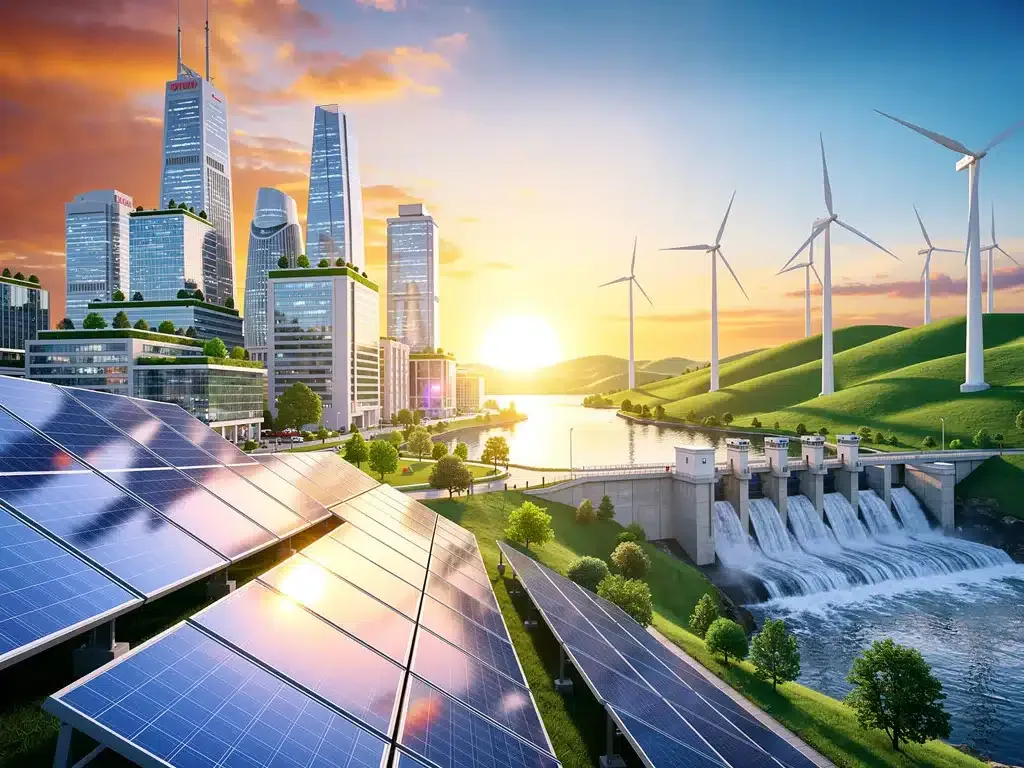
The clean energy transition is accelerating at an unprecedented pace across the country. According to the latest forecasts from the Department of Energy, projected US renewable energy growth is set to jump by 10% through the end of 2026.
This surge signals a massive shift toward sustainable power generation, driven by heavy investments in solar, wind, and next-generation battery storage. As green utilities expand, the traditional power grid is undergoing a historic overhaul.
What does this rapid expansion mean for industry stakeholders, market prices, and grid reliability? Here is a breakdown of the key factors driving America’s transition toward clean electricity.
DOE’s Landmark Forecast and Its Implications
The U.S. Department of Energy’s projection of a 10% increase in renewable energy adoption by 2026 is a landmark statement, setting a clear and ambitious target for the nation.
This forecast is not merely an estimation but reflects a strategic outlook based on current trends and anticipated developments in the energy sector.
Anúncios
Such a significant increase implies profound shifts in how energy is generated, distributed, and consumed across the United States.
It signals a robust commitment to decarbonization and positions renewable sources at the forefront of future energy planning, with implications for grid stability and energy security.
The implications extend beyond environmental benefits, touching upon economic growth, job creation, and technological innovation. This outlook provides a roadmap for investments and policy adjustments necessary to support this accelerated growth in renewable energy capacity.
Driving Factors Behind the 10% Surge
Several key factors are converging to propel this anticipated US Renewable Energy Growth. Technological breakthroughs in solar photovoltaic cells and wind turbine efficiency have significantly reduced costs, making renewable energy more competitive than ever before.
Governmental incentives, including tax credits and grants, play a crucial role in stimulating investment and deployment of renewable energy projects. These policies provide a stable framework for developers and investors, encouraging further expansion.
Moreover, increasing corporate and consumer demand for sustainable energy solutions is pushing utilities and energy providers to accelerate their transition. This market-driven shift is a powerful force complementing policy and technological advancements.
- Cost reductions in solar and wind technologies making them economically viable.
- Supportive federal and state policies, including tax incentives and regulatory frameworks.
- Growing public and private sector demand for clean energy and decarbonization goals.
Anticipated Impact on the National Grid
The integration of a significantly higher percentage of renewable energy will necessitate substantial upgrades and modernization of the national power grid. This includes enhancing transmission infrastructure and developing more sophisticated energy storage solutions to manage intermittency.
Anúncios
Grid operators are actively exploring advanced smart grid technologies and demand-side management strategies to ensure reliability and efficiency. The goal is to accommodate the variable nature of solar and wind power without compromising stability.
This ongoing evolution of the grid is critical for realizing the DOE’s forecast and ensuring a seamless transition to a cleaner energy future. Investments in grid modernization are paramount to support the projected US Renewable Energy Growth.
Key Technologies Powering the Growth
The projected US Renewable Energy Growth is predominantly driven by advancements and widespread adoption of specific key technologies.
Solar and wind power remain at the forefront, continually improving in efficiency and cost-effectiveness, making them attractive options for large-scale deployment.
Beyond these established players, emerging technologies like advanced geothermal systems and innovative hydropower solutions are also contributing to the diversified renewable energy portfolio.
These technologies offer unique advantages, expanding the geographic and operational scope of clean energy generation.
Battery storage technology, in particular, is undergoing rapid development, proving essential for mitigating the intermittency inherent in solar and wind power. Enhanced storage capabilities are crucial for ensuring grid stability and maximizing the utility of renewable sources.
Solar Power’s Continued Dominance
Solar energy continues its impressive growth trajectory, driven by plummeting panel costs and increasing efficiency. The DOE’s forecast heavily relies on the continued expansion of utility-scale solar farms and distributed rooftop installations across the nation.
Innovations in bifacial panels and solar-plus-storage solutions are further enhancing solar power’s appeal, allowing for greater energy capture and more reliable output. These advancements solidify solar’s position as a cornerstone of US Renewable Energy Growth.
Federal incentives, combined with state-level policies like net metering, continue to stimulate investment and deployment. The accessibility and versatility of solar power make it a prime candidate for meeting future energy demands.
Wind Energy’s Expanding Footprint
Wind energy, both onshore and offshore, is another critical component of the anticipated 10% increase in renewable energy adoption. Larger, more efficient turbines are enabling greater energy capture, even in areas with moderate wind resources.
Offshore wind, in particular, holds immense potential for the United States, with vast coastal resources currently being developed. These projects promise significant contributions to the national grid, especially in densely populated coastal regions.
Investments in transmission infrastructure specifically designed for wind power integration are crucial for unlocking its full potential. The strategic deployment of wind farms is vital for sustained US Renewable Energy Growth.
- Development of more powerful and efficient wind turbines.
- Expansion of offshore wind projects along coastal regions.
- Improved transmission lines to connect remote wind farms to consumption centers.
Policy and Economic Landscape Supporting Renewables
The favorable policy and economic landscape in the United States is undeniably a major catalyst for the projected US Renewable Energy Growth. Legislative actions at both federal and state levels are creating an environment ripe for investment and innovation in clean energy.
Economic incentives, such as tax credits, grants, and loan programs, significantly reduce the financial barriers for renewable energy projects, making them more attractive to developers and investors. These mechanisms are central to accelerating the adoption rate.
Furthermore, the growing recognition of renewable energy’s economic benefits, including job creation and energy independence, reinforces political will and public support. This convergence of factors is crucial for achieving the DOE’s ambitious forecast.
Federal Initiatives and Incentives
Federal initiatives, such as the Inflation Reduction Act, provide substantial tax credits and funding opportunities for renewable energy development and deployment. These policies are designed to accelerate the transition away from fossil fuels.
The DOE itself plays a critical role through research and development funding, helping to de-risk new technologies and bring them to market. These investments are vital for maintaining the momentum of US Renewable Energy Growth.
By offering long-term policy certainty, the federal government encourages private sector investment, which is essential for scaling up renewable energy infrastructure across the country. These incentives are carefully designed to maximize impact.
State-Level Contributions and Regulations
Many states have implemented their own ambitious renewable portfolio standards (RPS) and clean energy goals, often exceeding federal targets. These state-level regulations create strong local markets for renewable energy projects.
Innovative state policies, including community solar programs and streamlined permitting processes, further facilitate the deployment of renewable technologies. These localized efforts are critical for driving regional US Renewable Energy Growth.
The diversity of state approaches allows for tailored solutions that address specific regional energy needs and resources, contributing significantly to the overall national target. This layered approach strengthens the renewable energy ecosystem.
- State Renewable Portfolio Standards (RPS) setting mandatory clean energy targets.
- Local permitting reforms and incentives for distributed generation.
- Public-private partnerships at the state level to fund large-scale projects.
Challenges and Overcoming Obstacles
While the forecast for US Renewable Energy Growth is optimistic, significant challenges remain that must be addressed to achieve the 10% increase by 2026. These obstacles include grid modernization, land use considerations, and supply chain vulnerabilities, all requiring strategic solutions.
Integrating a higher volume of intermittent renewable sources into an aging grid demands substantial investment in new transmission lines and advanced energy storage systems. Overcoming these infrastructure hurdles is paramount for successful deployment.
Additionally, public acceptance and effective community engagement are vital for addressing concerns related to land use and the visual impact of large-scale renewable projects. Proactive planning and transparent communication are key to mitigating these challenges.
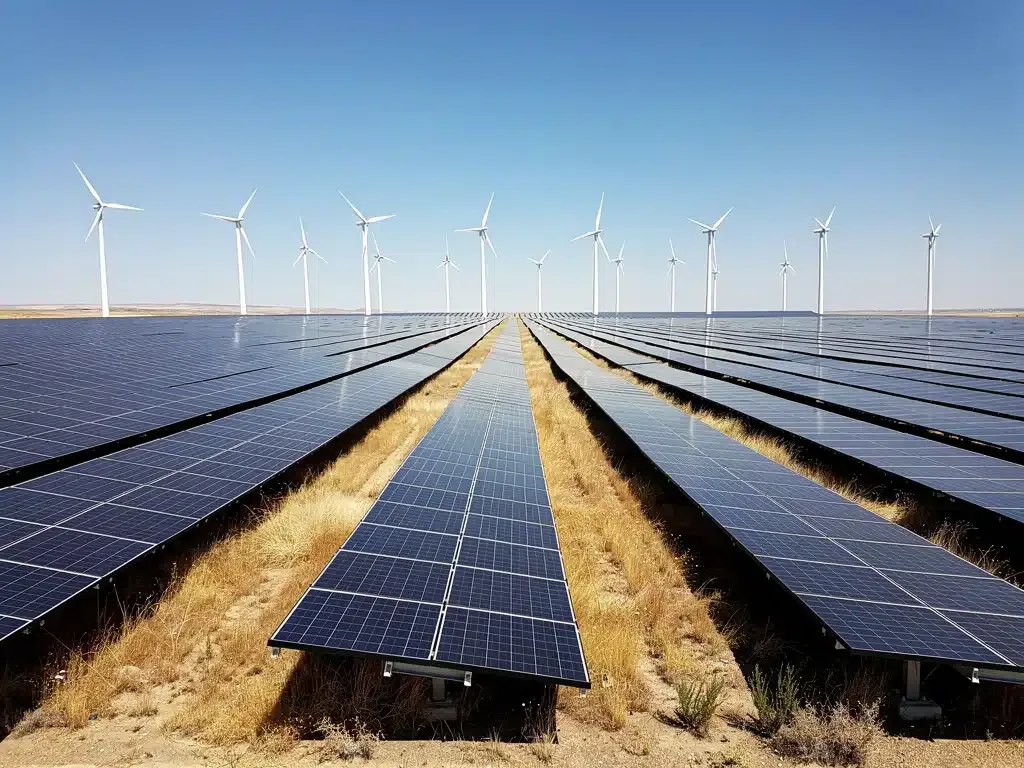
Grid Modernization and Intermittency
The existing electricity grid was not originally designed to handle the variable nature of renewable energy sources like solar and wind. Modernizing this infrastructure is a colossal undertaking that requires substantial capital and technological innovation.
Addressing intermittency, the fluctuation in renewable energy output due to weather conditions, is crucial. This involves deploying advanced battery storage, implementing smart grid technologies, and improving forecasting models to balance supply and demand effectively.
Without a robust, flexible, and intelligent grid, the full potential of US Renewable Energy Growth cannot be realized. Investments in these areas are non-negotiable for a reliable clean energy future.
Supply Chain and Workforce Development
The rapid expansion of renewable energy projects creates pressure on global supply chains for critical components, from solar panels and wind turbine blades to rare earth minerals for batteries. Diversifying and strengthening these supply chains is essential.
Developing a skilled workforce capable of designing, installing, and maintaining complex renewable energy systems is another significant challenge. Educational institutions and vocational training programs must align with industry needs to fill this gap.
Addressing these supply chain and workforce development issues is vital for sustaining the momentum of US Renewable Energy Growth and ensuring long-term success. Strategic planning in these areas will prevent bottlenecks.
Economic Benefits and Job Creation
The projected US Renewable Energy Growth carries substantial economic benefits, extending far beyond environmental advantages. The expansion of the renewable energy sector is a powerful engine for job creation, stimulating local economies across the nation.
Investments in renewable energy infrastructure lead to direct employment in manufacturing, construction, installation, and operations. These jobs often offer competitive wages and opportunities for skill development in emerging industries.
Furthermore, the increased adoption of renewable energy reduces reliance on volatile fossil fuel markets, leading to greater energy price stability and economic security for businesses and consumers. This economic resilience is a significant long-term advantage.
New Opportunities in Green Jobs
The shift towards renewable energy is creating a new wave of green jobs, from solar panel installers and wind turbine technicians to engineers specializing in grid modernization and energy storage. These roles are essential for the future energy landscape.
Vocational training programs and community colleges are adapting their curricula to meet the growing demand for these specialized skills. This educational investment is critical for ensuring a capable workforce to support US Renewable Energy Growth.
Beyond direct employment, the renewable energy sector also fosters indirect job creation in supporting industries, such as logistics, finance, and research and development, creating a broader economic impact.
- Rapid growth in installation and maintenance roles for solar and wind.
- Increased demand for engineers and technicians in energy storage and grid management.
- Opportunities in manufacturing components for renewable energy systems.
Regional Variations in Adoption Rates
The US Renewable Energy Growth will not be uniform across all states and regions; variations in adoption rates are expected due to differing resource availability, policy landscapes, and economic priorities. Some regions are naturally better suited for specific renewable technologies than others.
For instance, states in the sunbelt are prime candidates for solar power expansion, while the Great Plains states offer optimal conditions for wind energy. Coastal regions are increasingly targeting offshore wind development, leveraging unique geographical advantages.
Understanding these regional disparities is crucial for effective policy implementation and resource allocation, ensuring that national targets for renewable energy adoption are met. Tailored strategies will maximize efficiency and impact.
Leading States in Renewable Energy
Several states are already leading the charge in renewable energy adoption, driven by progressive policies and abundant natural resources. California, Texas, and Iowa, for example, have made significant strides in integrating clean energy into their grids.
These states often serve as models for others, demonstrating successful strategies for policy implementation, grid integration, and public engagement. Their experiences provide valuable insights for accelerating US Renewable Energy Growth nationwide.
Their continued leadership will be vital in driving the overall national increase, showcasing how diverse energy portfolios can be effectively managed and expanded. Their innovative approaches set a benchmark for others.
Emerging Markets and Future Hotspots
Beyond the established leaders, several emerging markets are showing strong potential for future renewable energy growth. States with untapped solar or wind resources, coupled with evolving policy frameworks, are poised for significant expansion.
Investments in these emerging regions could unlock new opportunities for economic development and contribute substantially to the national 10% increase target. Identifying and supporting these hotspots is a strategic imperative.
As technology costs continue to fall and grid infrastructure improves, more regions will become viable for large-scale renewable energy projects, further diversifying the national energy mix and bolstering US Renewable Energy Growth.
The Role of Energy Storage in Future Growth
Energy storage solutions are indispensable for achieving the forecasted US Renewable Energy Growth, particularly given the intermittent nature of solar and wind power. Batteries, pumped hydro, and other storage technologies are critical for ensuring grid stability and reliability.
As the percentage of renewables on the grid increases, the ability to store excess energy during peak generation and discharge it during periods of high demand or low generation becomes paramount. This balances the grid and maximizes renewable asset utilization.
Continued innovation and cost reduction in energy storage technologies will directly influence the pace and scale of renewable energy adoption, making it a key enabler for the DOE’s 2026 target. This sector is witnessing rapid advancements.
Advancements in Battery Technology
Lithium-ion batteries currently dominate the energy storage market, but ongoing research is yielding promising alternatives, including solid-state batteries and flow batteries. These advancements promise greater energy density, longer lifespans, and reduced costs.
The development of grid-scale battery storage projects is accelerating, providing essential flexibility and resilience to the power system. These large installations are vital for integrating substantial amounts of renewable energy.
Further breakthroughs in battery chemistry and manufacturing will be crucial for making storage more accessible and affordable, thereby accelerating the overall US Renewable Energy Growth. This area is a focal point for innovation.
Other Storage Solutions and Their Potential
Beyond batteries, other energy storage solutions like pumped-hydro storage, compressed air energy storage (CAES), and thermal energy storage also offer significant potential. These technologies can provide long-duration storage, complementing battery systems.
Pumped-hydro, while geographically constrained, offers large-scale, proven storage capacity. CAES and thermal storage are gaining traction for specific applications, contributing to a diversified storage portfolio.
Exploring and deploying a mix of storage technologies will be essential for creating a resilient and fully decarbonized grid, supporting the ambitious US Renewable Energy Growth goals. Each solution offers distinct advantages.
| Key Point | Brief Description |
|---|---|
| 10% Increase Forecast | U.S. Department of Energy projects significant renewable energy adoption by 2026. |
| Key Technologies | Solar and wind power, supported by advanced energy storage, lead the growth. |
| Policy Support | Federal and state incentives are crucial drivers for renewable energy expansion. |
| Grid Modernization | Essential for integrating increased renewable capacity and ensuring reliability. |
Frequently Asked Questions About US Renewable Energy Growth
What does the U.S. Department of Energy’s forecast mean for renewable energy?▼The forecast signifies a projected 10% increase in renewable energy adoption by the end of 2026, indicating a rapid acceleration in the transition to clean energy. This goal underscores a strong commitment to decarbonization and positions renewables as central to the nation’s energy future.
Which renewable technologies are driving this growth?▼Solar and wind power are the primary drivers of this growth, supported by significant advancements in energy storage solutions. These technologies continue to become more efficient and cost-effective, making them increasingly competitive alternatives to traditional energy sources.
How will this impact the national power grid?▼Integrating a 10% increase in renewable energy will necessitate substantial investments in grid modernization, including enhanced transmission infrastructure and advanced smart grid technologies. These upgrades are crucial for managing intermittency and ensuring grid stability and reliability.
What role do government policies play in this forecast?▼Both federal and state-level policies, such as tax credits, grants, and renewable portfolio standards, are critical enablers. These incentives reduce financial barriers and create a favorable environment for investment and deployment of renewable energy projects, accelerating adoption.
What are the main economic benefits of increased renewable energy adoption?▼Increased renewable energy adoption fosters significant job creation in manufacturing, installation, and maintenance. It also enhances energy independence, stabilizes energy prices, and stimulates economic growth in local communities, creating a robust green economy.
Impact and Implications
The U.S. Department of Energy’s forecast for a 10% increase in US Renewable Energy Growth by 2026 is more than a statistic; it represents a fundamental shift in national priorities and energy strategy.
This aggressive target signals a future where clean energy plays a dominant role, influencing everything from infrastructure development to economic policy.
As the nation moves forward, stakeholders must closely monitor policy developments, technological breakthroughs, and grid modernization efforts.
The success of this transition hinges on coordinated efforts across government, industry, and communities, ensuring that the ambitious goals are met efficiently and equitably.
This sustained focus on US Renewable Energy Growth positions the United States as a leader in the global clean energy transition, offering both environmental stewardship and significant economic opportunities for decades to come.
The path ahead will require continuous innovation and adaptive strategies to navigate emerging challenges and capitalize on new possibilities.